
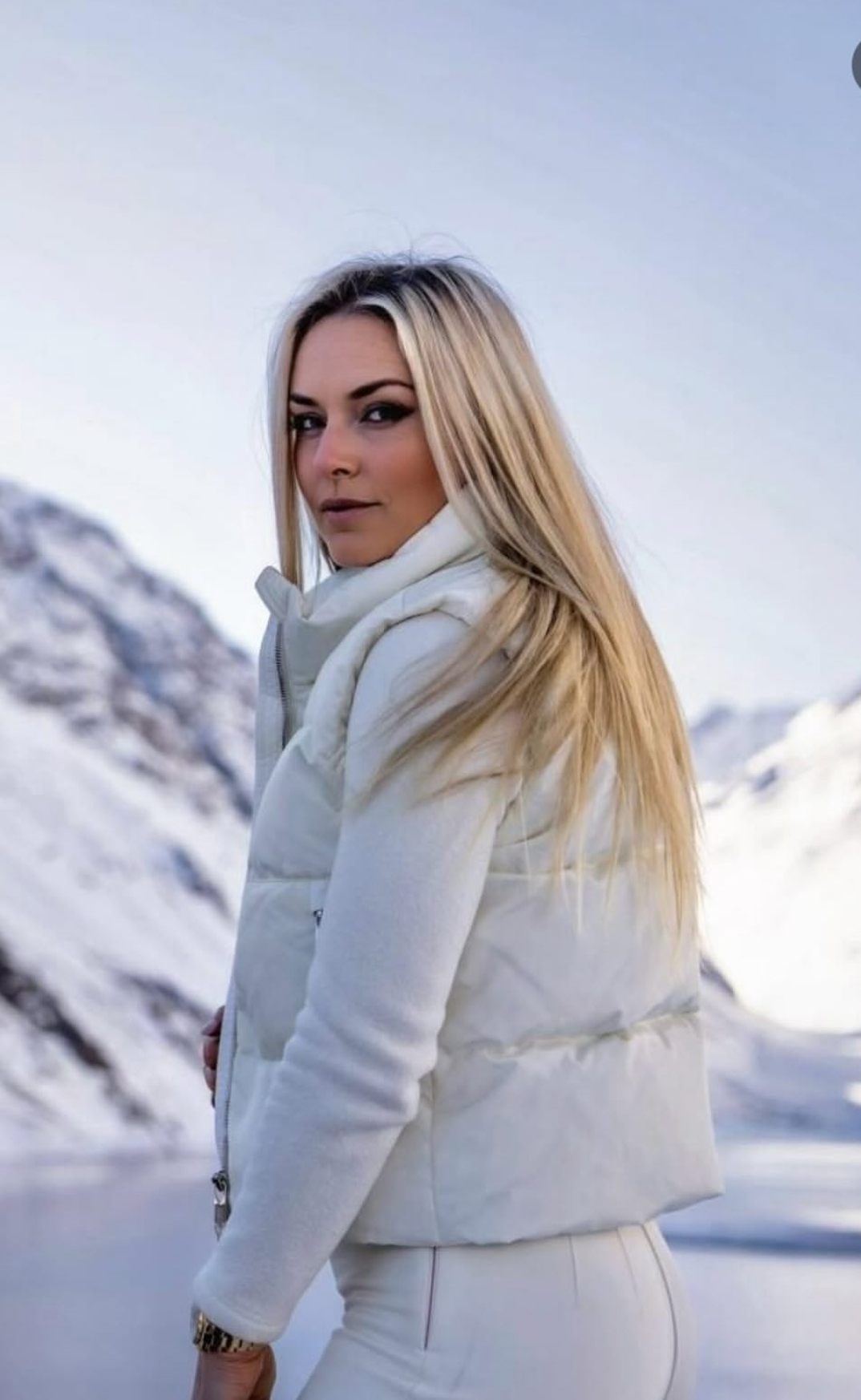
As the Milano-Cortina 2026 Winter Olympics unfold against the stunning backdrop of the Dolomites, top skiers including Lindsey Vonn, Mikaela Shiffrin, and Federica Brignone are using their platform to highlight a stark reality: the world’s glaciers are vanishing at an accelerating pace, threatening the very future of their sport and the planet.
Vonn, the 41-year-old American legend who began training on Austrian glaciers at age 9, didn’t mince words. “Most of the glaciers that I used to ski on are pretty much gone,” she told the Associated Press during the Games. “So that’s very real and it’s very apparent to us.”
Shiffrin, fresh from competition, echoed the sentiment, describing the changes as a “front-row view” to monumental shifts in the highest peaks. “It is something that’s very close to our heart, because it is the heart and soul of what we do,” she said. While expressing hope for policy changes and corporate action, she admitted the sport’s future remains uncertain.
Italy’s Brignone, who claimed gold in giant slalom at her home Olympics, noted a dramatic transformation since her youth. Glaciers in her Valle d’Aosta region are retreating to higher elevations year after year. “When she sees how glaciers are retreating,” she shared, her concern extends beyond skiing to the broader fate of the planet.
The host city of Cortina d’Ampezzo itself tells the story. Glaciers once visible from town have shrunk dramatically, many reduced to small ice patches high among the jagged peaks. Nearby Cristallo and Sorapiss glaciers have lost about one-third of their area since the late 1950s–early 1960s, according to the New Italian Glacier Inventory. To see a significant glacier now requires a trek to the Marmolada, Italy’s largest in the Dolomites — yet even it has halved in size over the past 25 years and faces near-total disappearance by the 2030s under current warming trends.
Italian glaciologist Antonella Senese reported that the country has lost over 200 square kilometers (77 square miles) of glacier area since the late 1950s, with the decline speeding up in recent decades. Globally, more than 7 trillion tons of ice have melted since 2000.
Projects like the University of Innsbruck’s Goodbye Glaciers highlight the stakes: limiting warming to 1.5°C could extend the life of key glaciers like Marmolada by years and preserve around 100 Alpine ones. Cutting emissions now is critical, as choices this decade will determine how much ice survives in the Dolomites, the Alps, and beyond.
The message resonates across the Games. Athletes like AJ Hurt of Team USA described arriving at training sites to find “a little less snow” each year, while others pointed to unsafe conditions from crevasses and exposed rocks. Norwegian Nikolai Schirmer advocates ending fossil fuel sponsorships in winter sports, and many athletes position themselves as environmental stewards.
As the Olympics showcase peak performance on snow, these voices from the slopes serve as a powerful reminder: the fight against climate change isn’t abstract — it’s etched into the melting landscapes that define their world.
