
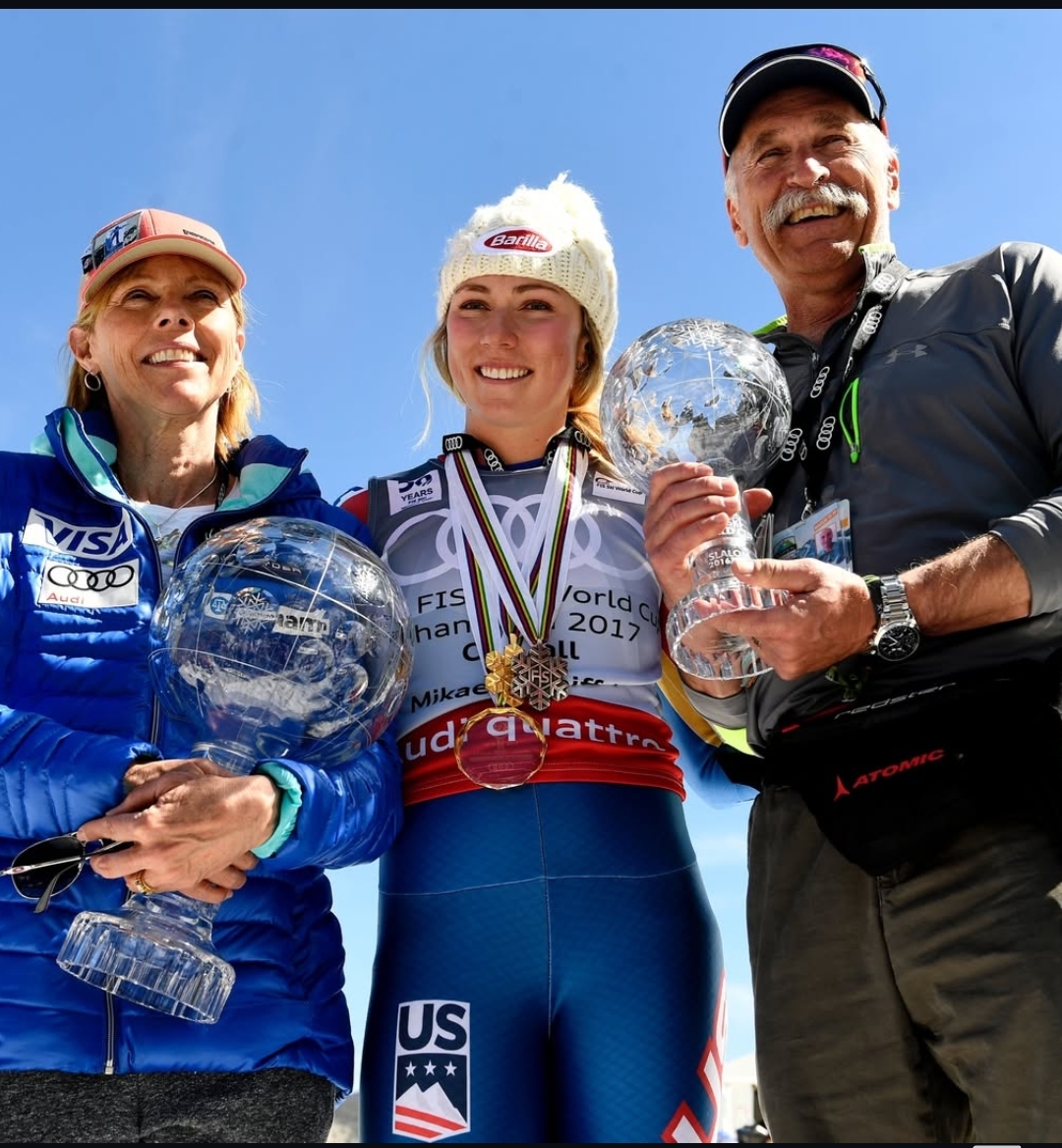
The world had its eyes glued to the slopes, waiting to see if the pressure of an Olympic gold encore and a tightening overall Crystal Globe race would finally crack the unbreakable Mikaela Shiffrin.
It didn’t. Not even close.
In a performance that screamed dominance, the 31-year-old American legend delivered a flawless second run to claim her 109th FIS World Cup victory — and her record-extending 72nd in slalom — at the iconic Åre venue on March 15, 2026. Shiffrin’s combined time of 1:43.35 left Germany’s Emma Aicher (+0.94) and Switzerland’s Wendy Holdener (+1.00) in the dust, marking her eighth slalom win of the 2025-26 season out of nine starts and her seventh career triumph on this very hill.
This wasn’t just another win. Coming off her historic Olympic slalom gold in Cortina just weeks earlier — where she snapped an eight-year individual medal drought with a commanding 1.5-second margin — Shiffrin faced sky-high expectations and a fierce chase from Aicher in the overall standings. Skeptics whispered about fatigue, age, or the emergence of new talent.
Shiffrin answered with pure precision under pressure. Leading after the first run, she attacked the second with the aggression of someone reasserting her throne. The result? A gap that grew, her overall lead extended, and another chapter added to the GOAT debate.
“I’ve been here before,” Shiffrin said post-race, all smiles and steely focus. “The commitment has to be total — no holding back. This one felt special.”
With the season winding down and the Crystal Globe battle heating up (Shiffrin holds a solid edge heading into finals), this victory in Åre wasn’t just a stat-padding moment. It was a statement: the queen is still very much on top.
Mikaela Shiffrin didn’t just win. She reminded the entire skiing world — and everyone watching — exactly who she is.
The greatest of all time. Still hungry. Still untouchable. ⛷️🇺🇸🏆
