
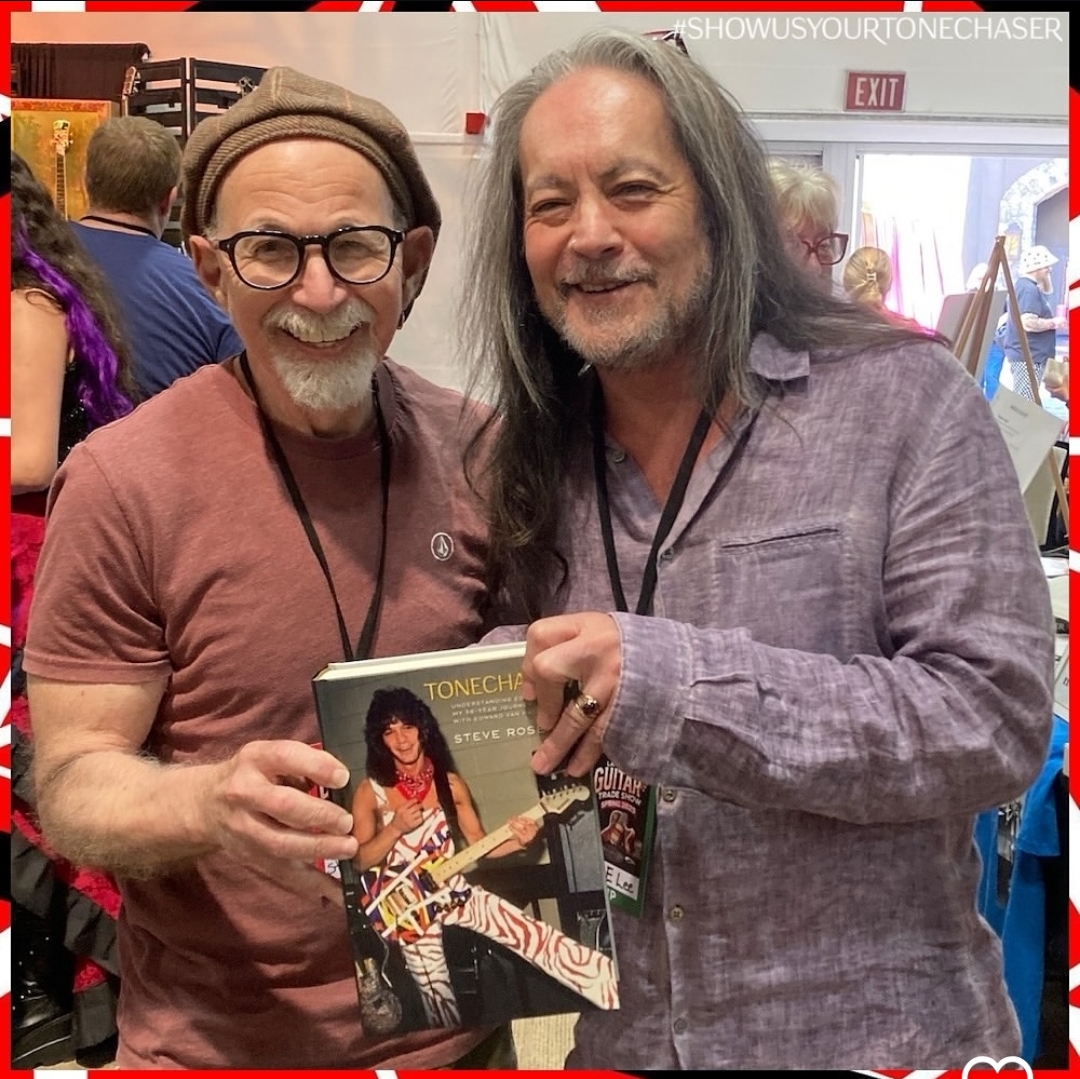
In the dim glow of a Las Vegas studio—still echoing from his near-fatal shooting just over a year ago—guitar legend Jake E. Lee sat down with veteran rock journalist Steve Rosen. It was a full-circle moment, harking back to their groundbreaking 1986 Guitar World interview that first cracked open the enigmatic world of Ozzy Osbourne’s then-new axeman. Nearly four decades later, the two Jakes—sorry, Jake and Steve—reconnected for an unfiltered chat, blending nostalgia with hard-won wisdom. Lee’s voice, gravelly from rehab and reflection, carried the weight of survival, betrayal, and unbreakable riffs.
Rosen, the tone-chasing scribe behind iconic profiles on Eddie Van Halen and Randy Rhoads, wasted no time diving into the archives. “That ’86 sit-down was electric,” Rosen recalled in the new piece, published exclusively in Guitar World’s digital vaults. “Jake was raw, defiant—fresh off Bark at the Moon, dodging the shadow of Randy. Now? He’s a phoenix, scarred but shredding. The reunion interview, timed to Lee’s triumphant return at Ozzy’s “Back to the Beginning” farewell earlier this year, peels back layers on everything from whammy-bar “cheating” to the arthritis gnawing at his fret hand.
Lee didn’t mince words about his Ozzy audition—a chaotic blur of traffic jams and cocky doodles. “I showed up late, started scribbling nonsense on paper instead of playing,” he laughed, echoing the original tale that nearly cost him the gig over George Lynch. “Ozzy just stared, then said, ‘He’s got it.’ Sharon? She ran the show like a drill sergeant.” But the highs soured fast. Lee revisited his 1987 firing, pinning it on bassist Phil Soussan’s backstage scheming: “He wanted the songwriting crown. Told Randy Castillo, ‘Sorry, Jake’s out.’ It stung, but hey—Badlands was born from those ashes.
The conversation turned poignant when Rosen probed Lee’s post-shooting life. Hit three times in a random Vegas street attack on October 15, 2024, while walking his dog, Lee called it “the unluckiest lucky break.” No vitals touched, pup unscathed, but the rehab? Brutal. “Woke up thinking, ‘Is this the end of shredding?'” he admitted. “Arthritis was bad enough; bullets made it biblical. But therapy over surgery—I’m back, bending notes like ’86.” He even teased adapting gear for his “gnarled talons,” swapping heavy bends for hybrid techniques that nod to his whammy-free purism: “Eddie [Van Halen] was a wizard with it, but me? Fingers only. Pure, no cheats.
Rosen, ever the gear geek, grilled Lee on tone evolution. From the flanger-drenched fury of “Bark at the Moon” to Badlands’ bluesy bite, Lee’s setup remains minimalist: “Marshall Plexi, EQ for bite, no pedal madness anymore. Warren DeMartini stole my old tricks—good on him.” The pair geeked out over Eddie’s “Brown Sound,” with Lee confessing, “I chased it once, failed gloriously. My sound? It’s the snarl of survival.
What emerges is Lee’s unvarnished humanity—a far cry from the big-haired hero of MTV’s golden age. “Randy was classical fire; I was street punk with a Les Paul,” he said. “No rivalry, just respect. Ozzy’s farewell? Healing 38 years of silence in one riff.”
No tours loom for Lee or Red Dragon Cartel in 2026, but whispers of Badlands reissues swirl. “Steve gets it,” Lee closed. “We’re both chasers—me of tone, him of truth.” In a genre built on excess, this quiet reunion roars with authenticity.
