
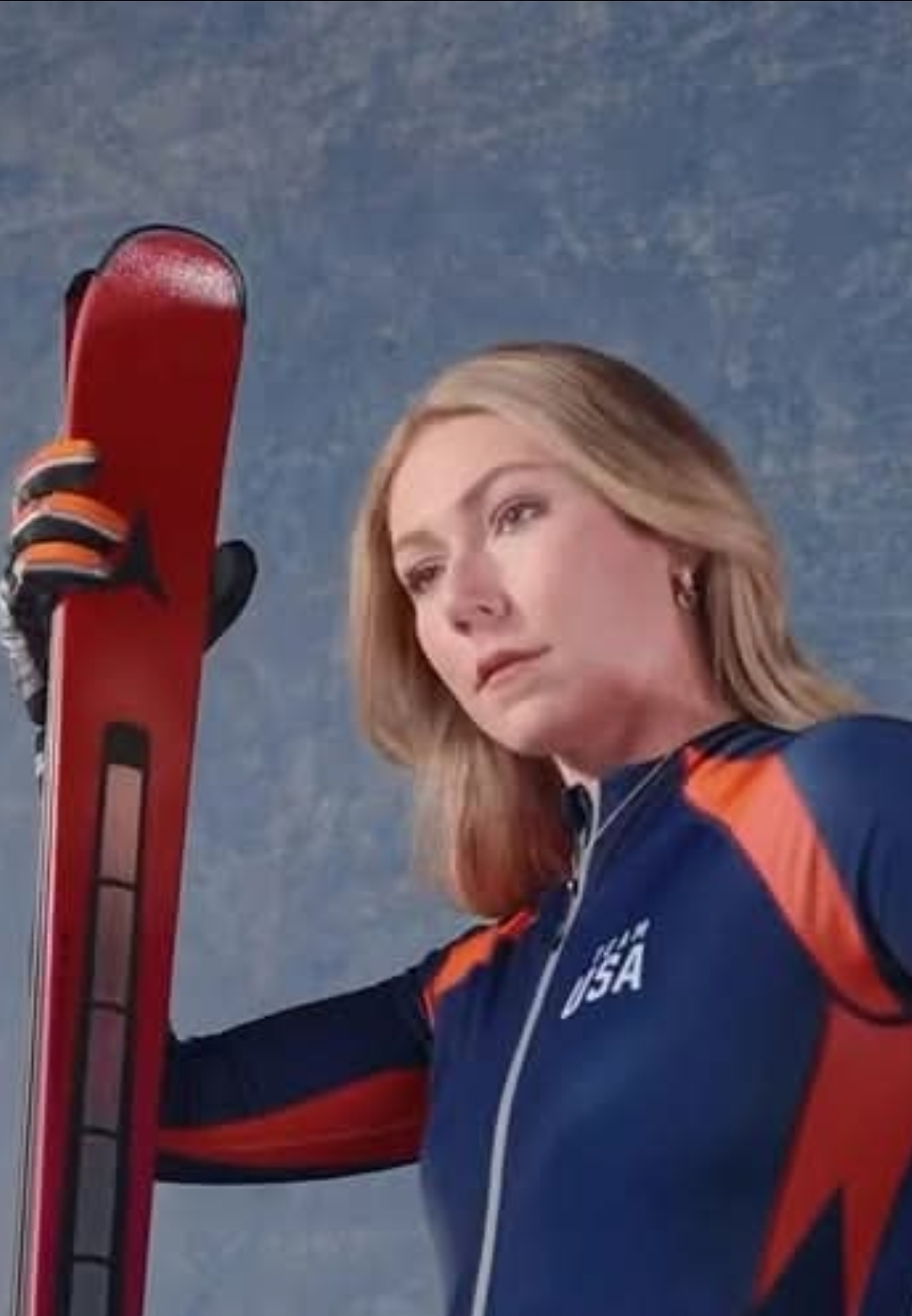
For Mikaela Shiffrin, the greatest slalom skier in history and a dominant force on the World Cup circuit this season, the Milano Cortina 2026 Winter Olympics were supposed to mark a triumphant return to the podium after a medal-less Beijing 2022. Instead, Tuesday’s team combined event delivered yet another baffling chapter in what has become an inexplicable Olympic hex.
Paired with downhill gold medalist Breezy Johnson, who had delivered a blazing first-run performance to give the U.S. duo a narrow lead of 0.06 seconds, Shiffrin entered the slalom leg as the overwhelming favorite to seal victory. The 30-year-old American has won seven of eight World Cup slaloms this season, rarely finishing outside the top two in her signature discipline.
But under the intense pressure of the Olympic spotlight, Shiffrin skied tentatively and without her trademark aggression. She lost time at every intermediate checkpoint, posting the 15th-fastest slalom run out of the 18 finishers—her worst slalom result in over a decade. The duo’s combined time of 2:21.97 left them in fourth place, agonizingly 0.06 seconds short of the bronze medal claimed by fellow Americans Jackie Wiles and Paula Moltzan.
Austria’s Ariane Raedler and Katharina Huber claimed the historic inaugural Olympic gold in the women’s team combined, with Germany’s Kira Weidle-Winkelmann and Emma Aicher taking silver.
Shiffrin, visibly emotional in the finish area, embraced Johnson—who offered immediate reassurance—and later reflected on the performance with characteristic candor. “I didn’t quite find a comfort level that allows me to produce full speed,” she said. “We’re going to do a lot of analysis… I’ve been so prepared for all the slaloms this year. So there’s something to learn from this day. And I’m going to learn it.”
The result extends Shiffrin’s Olympic medal drought to seven consecutive races, stretching back to her last podium appearance in PyeongChang 2018. Despite her unparalleled resume—including a record number of World Cup wins and dominance in technical events—the Olympics continue to present an elusive challenge, raising questions about mental hurdles, course conditions, or simply the razor-thin margins that define the Games.
With individual giant slalom and slalom still ahead, the stakes have never been higher for Shiffrin to rediscover her championship form and silence the growing narrative of an Olympic curse. For now, though, the head-scratching continues—and the greatest skier of her generation has plenty left to figure out.
