
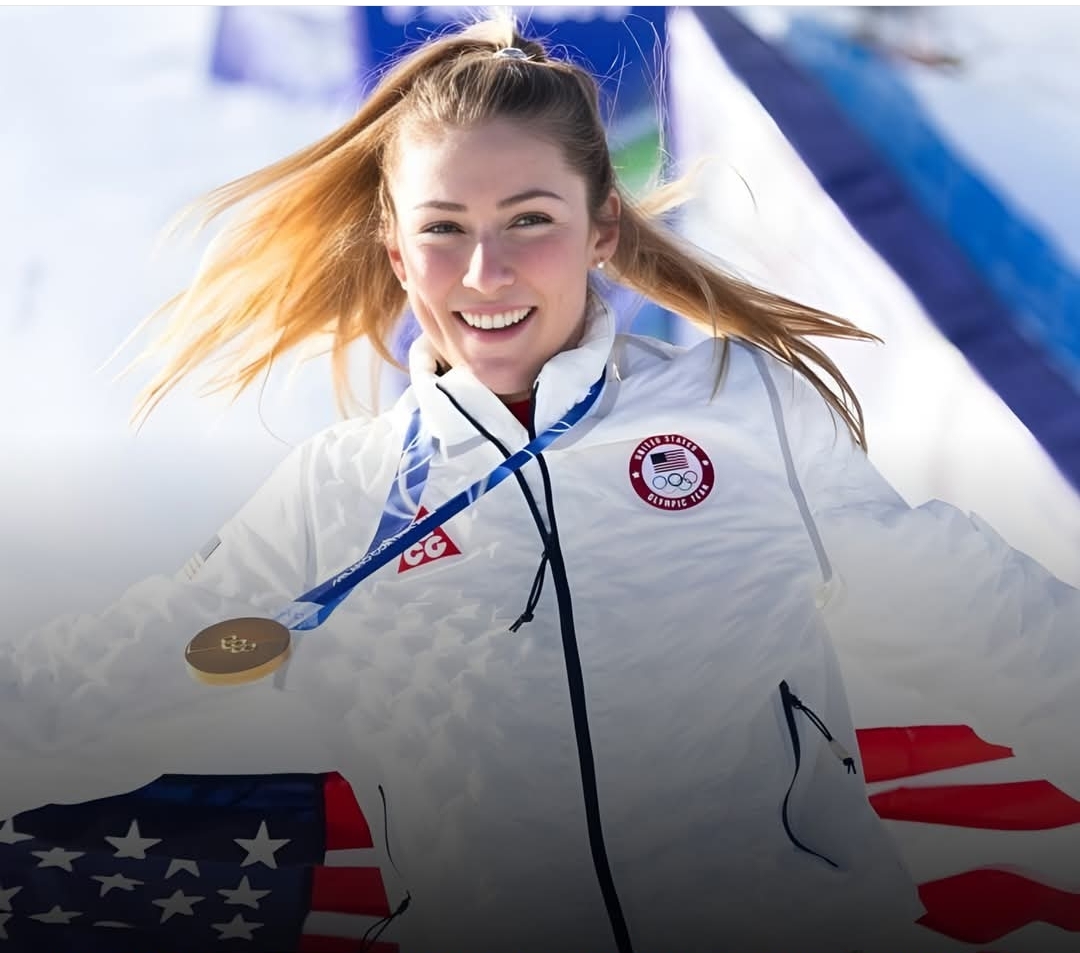
In the high-stakes arena of the 2026 Winter Olympics, Mikaela Shiffrin didn’t just chase medals—she confronted the full weight of human vulnerability, turning personal struggles into a powerful message about what success really means.
The American skiing superstar, already the winningest alpine racer in history, arrived in Cortina carrying immense expectations after an eight-year Olympic individual gold drought. Early events brought disappointment: an 11th-place finish in giant slalom, a tense 15th in the team combined slalom leg that cost her team a podium, and the lingering shadows of past traumas—including her father’s death, a near life-threatening 2024 injury, and the infamous 2022 Beijing “zero-for-six” medal-less Games.
Yet amid these pressures, Shiffrin openly shared her fears—of failure, injury, not living up to hype—and her work with psychologists to embrace vulnerability over invincibility. She spoke candidly about anxiety, doubt, exhaustion, and the emotional toll of elite competition, refusing to hide the “scare of failure” that haunted her.
The turning point came in the women’s slalom, her signature event. On February 18, Shiffrin delivered two masterful runs, winning gold by a commanding 1.50 seconds—her first Olympic slalom title in 12 years and third career Olympic gold overall. The victory was emotional: tears flowed as she reflected on finally accepting the reality of the moment she had both dreamed of and feared. “This was a moment I have dreamed about. I’ve also been very scared of this moment,” she said post-race.
For many observers, including those inspired by her season-long honesty, this journey transcended the medal. Shiffrin’s willingness to show up despite grief, setbacks, and self-doubt reframed failure not as an endpoint but as a reshaper of paths. Pressure wasn’t something to conquer in silence but to carry with dignity. Success emerged not solely from podiums, but from perseverance, self-compassion, showing up while healing, and finding joy in the sport itself.
As one reflection captured it, Shiffrin’s greatest victory wasn’t standing on the podium—it was standing strong through uncertainty. Her story reminded fans worldwide that heroes aren’t perfect; they’re persistent. Inspiration often springs not from flawless triumphs, but from surviving the lows with courage and vulnerability.
In an era of relentless expectations, Mikaela Shiffrin’s 2026 Olympic chapter—marked by honest struggle and ultimate redemption—offered a timeless reminder: true greatness lies in how we rise, persist, and redefine what winning really means.
