
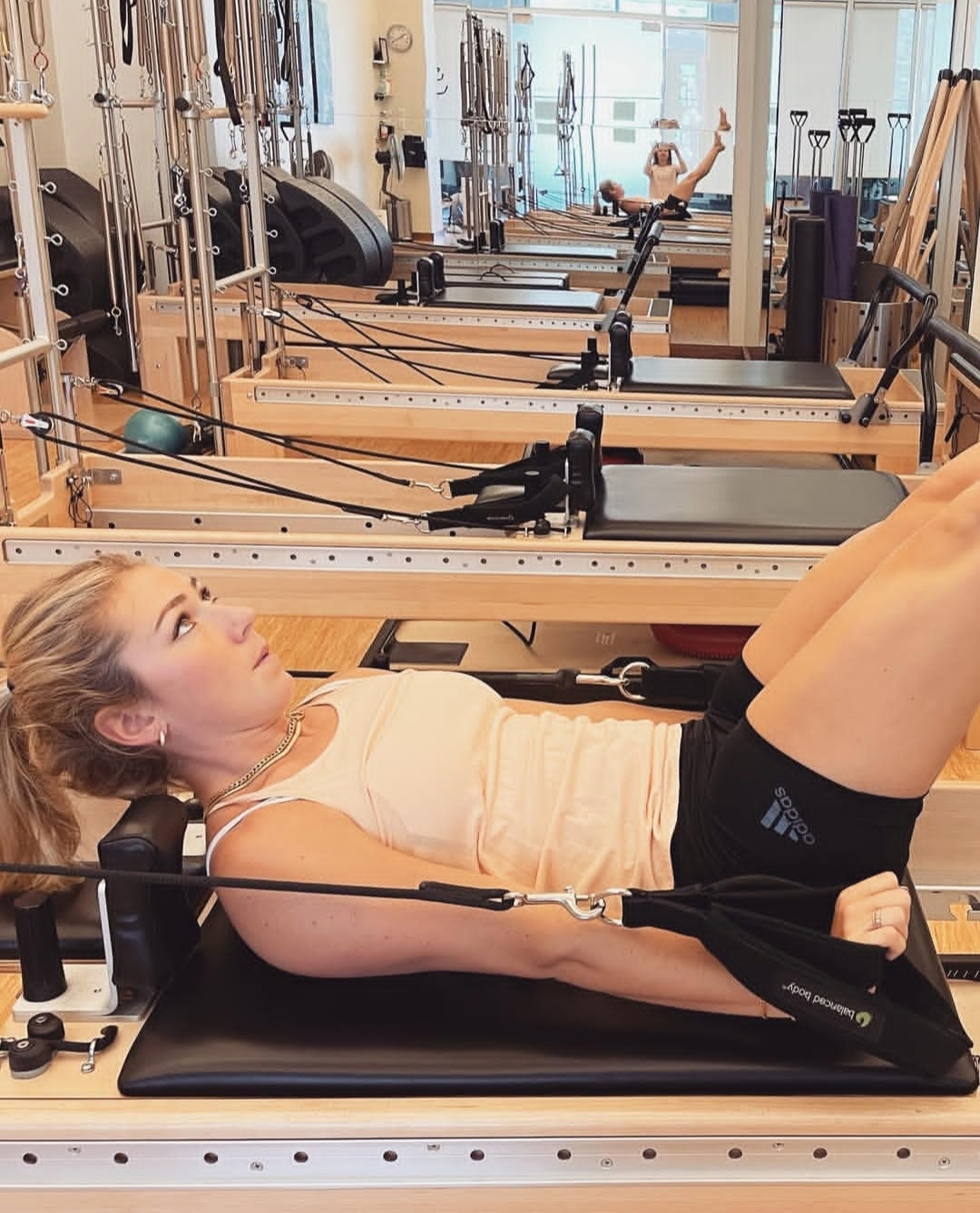
In the pre-dawn hush of a Finnish winter morning, where the mercury hovers perilously close to minus-10°C and the first light barely kisses the snow-capped peaks, Mikaela Shiffrin is already at war with gravity. At 5:00 AM sharp, the 30-year-old American alpine skiing icon—holder of 101 World Cup victories and two Olympic golds—strides into the Levi Black course’s auxiliary gym, her breath visible in the frosty air. No entourage, no fanfare; just her, a playlist of high-octane beats, and an unyielding mantra: “I train like the mountain owes me.” It’s a line she’s uttered before, a battle cry born from years of clawing back from crashes, doubts, and the relentless grind of elite competition. With Saturday’s slalom just four days away, Shiffrin’s early-morning ritual isn’t just preparation—it’s a declaration of dominance.
The session kicks off with foam rolling, her ritual for “bulletproofing” the body after last November’s brutal Killington crash—a “stab wound” to the abdomen that sidelined her for weeks and tested her core like never before. “Starting from the ground up,” she says, methodically working the IT bands and glutes on a roller that doubles as a torture device. “After that injury, I learned the hard way: Skip the foundation, and the whole house crumbles.” From there, it’s into the circuits—Shiffrin’s signature blend of explosive power and endurance that has powered her to 64 slalom wins, more than anyone in history. Sled pushes across the gym floor, mimicking the uphill battles of a steep pitch; single-leg squats that fire her quads like pistons; and TRX suspensions for obliques, the muscle group she credits with pulling her back from the brink. “These aren’t just reps,” she grunts mid-pull-up, sweat beading despite the chill. “They’re repayments. The mountain takes—no, it demands. I give back with interest.”
This isn’t hyperbole. Shiffrin’s regimen, honed over a decade under coaches like her mother Eileen and strength guru Chelsea Little, is as much mental armor as physical forge. A typical dawn block, as glimpsed in her recent Instagram stories and echoed in FIS updates, layers cardio bursts—rowing machine sprints at 500 meters per minute—with stability drills on a slideboard, simulating the micro-adjustments needed for Levi’s unforgiving Black Run. Post-Sölden, where her fourth-place giant slalom finish marked a “huge step forwards” in rebuilding GS confidence, the three-week training hiatus has been a pressure cooker. “Efficiency, efficacy, transparency—that’s the mantra,” she told reporters during a pre-season presser, goals that now manifest in every weighted lunge and core plank held for 90 seconds. “I’m not just skiing faster; I’m understanding why.”
Levi looms large in Shiffrin’s lore. She’s claimed victory here four times, her last in 2023 a masterclass in precision amid howling winds and rutted snow. But at 30, with Milano Cortina 2026 Olympics 93 days out, the stakes feel existential. “This is where slalom gold lives or dies,” she says, pausing after a set of glute bridges to sip electrolyte water. “The cold, the gates—they don’t care about your resume. You earn it, rep by rep.” Her fiancé, Norwegian downhill star Aleksander Aamodt Kilde, knows this fire intimately. “Mikaela at 5 AM? She’s a force of nature,” he posted on X last week, a rare glimpse into the partnership that keeps her grounded amid the tour’s chaos.
Yet Shiffrin’s drive isn’t solitary. The U.S. Ski Team’s depth—rising stars like Paula Moltzan and Alex Tilley—fuels a collaborative edge during these blocks. “We’re all in the suck together,” she laughs, referencing a team mantra. Off the mat, her new podcast, What’s the Point with Mikaela Shiffrin, launched mid-break, dissects the communication breakdowns that plague high-stakes sports. “Training’s 90% head game,” she explains. “Talking it out? That’s the 10% that wins races.”
As the sun crests at 7:30 AM, Shiffrin wraps with a cool-down stretch, her quads humming from the effort. Bib draw is Friday; the Black Run awaits. “The mountain owes me nothing,” she concedes with a grin, zipping her Atomic jacket. “But Saturday? I’ll collect.” For fans tuning in from Colorado to Lagos, it’s a reminder: Legends aren’t born at dawn—they’re rebuilt there, one punishing set at a time.
With Levi’s slalom set for November 15, followed by Gurgl (November 22) and a homecoming at Copper Mountain (November 29-30), Shiffrin’s season is a sprint to immortality. Will this 5 AM warrior add win No. 102 to her ledger? The gym says yes. Now the snow has the final word.
