
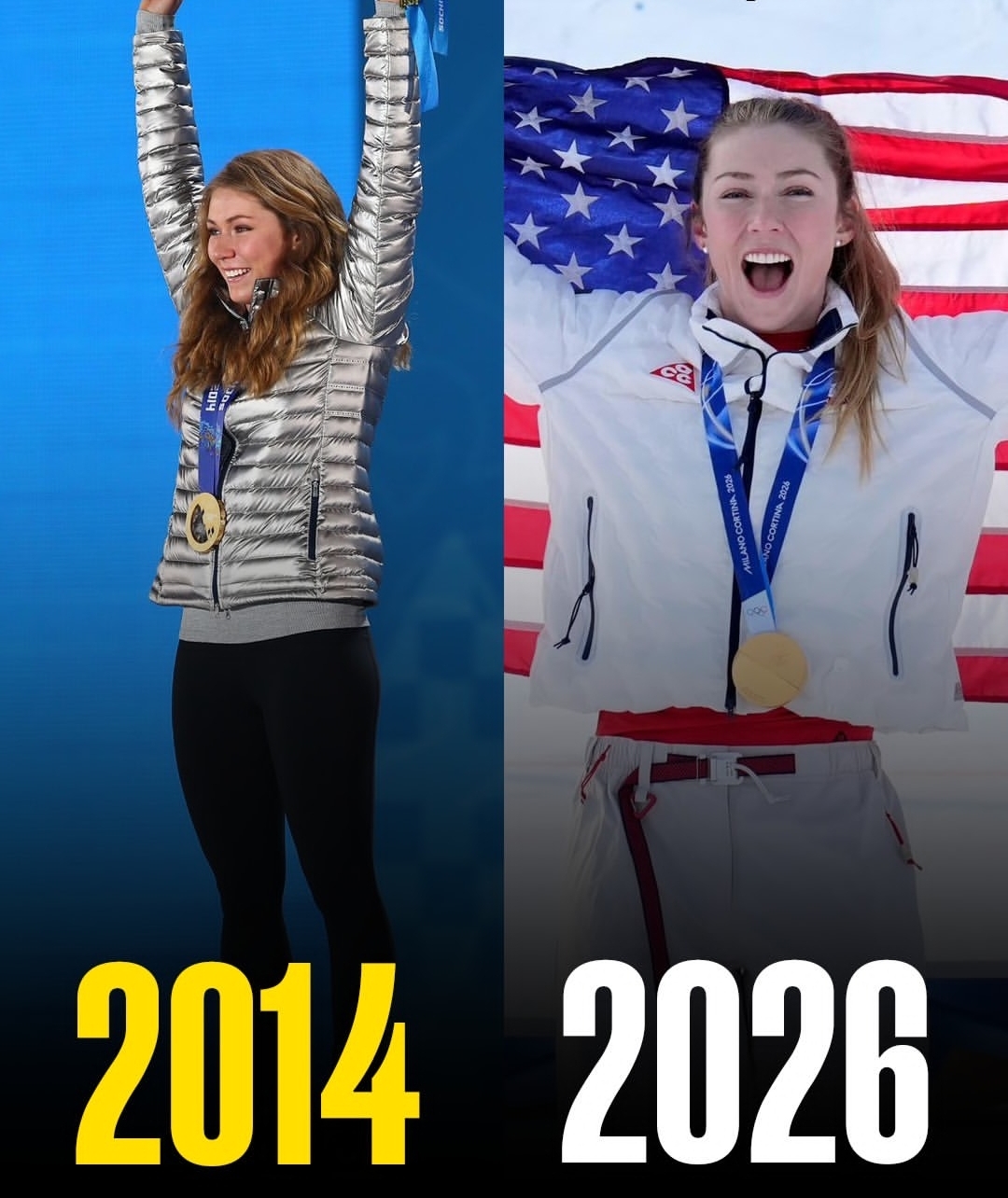
Twelve years after bursting onto the Olympic stage as an 18-year-old prodigy, Mikaela Shiffrin stood atop the slalom podium once more. This time, at age 30, she delivered a masterclass performance that silenced doubts, rewrote history books, and reminded the world why she is widely regarded as the greatest alpine skier of her generation.
On Wednesday in the final alpine event of the 2026 Winter Olympics, Shiffrin dominated the women’s slalom with two blistering runs, winning by a commanding 1.50 seconds over Switzerland’s Camille Rast — the largest margin of victory in an Olympic slalom since 1998. Sweden’s Anna Swenn Larsson took bronze. It marked Shiffrin’s third Olympic gold medal, making her the first U.S. skier to achieve that feat, and her second in the slalom event she first conquered in Sochi 2014.
The journey between those two golds was anything but linear. Shiffrin arrived in Beijing 2022 as a heavy favorite but left without a medal, a rare setback that tested her resilience amid personal challenges and the pressures of being the face of women’s skiing. She rebounded with relentless World Cup dominance, breaking Lindsey Vonn’s record for women’s wins and eclipsing Ingemar Stenmark’s all-time mark of 86 victories. By 2026, she had secured her sixth overall World Cup title and entered these Games with fresh momentum.
Yet early results in Cortina were shaky. No medals in her first events. Critics whispered that the magic might be fading. Then came her signature event — and the American star responded with authority.
“From Sochi to Cortina, it’s been an amazing journey,” Shiffrin reflected after the race, echoing the sentiment that has defined her career. She is now both the youngest (18) and oldest (30) American woman to win Olympic alpine gold, and the first to repeat victory in the same event 12 years apart.
A Career of Unparalleled Dominance
Shiffrin’s résumé reads like fiction: four Olympic medals (three golds, one silver), eight World Championship golds, multiple slalom Crystal Globes, and over 100 World Cup wins. Her technical precision, mental toughness, and ability to evolve with the sport have set her apart.
In Sochi 2014, she became the youngest Olympic slalom champion in history. In Pyeongchang 2018, she added giant slalom gold and combined silver. Beijing 2022 was a painful chapter. Cortina 2026 became redemption — and closure for many fans who watched her grow up on the slopes.
Teammates, rivals, and legends like Lindsey Vonn have praised not just her results, but her character through highs, lows, and everything in between.
What’s Next for the GOAT?
At 30, Shiffrin shows no signs of slowing down, though she has spoken openly about balance, curiosity, and life beyond the gates. Whether 2030 calls or not, her place in skiing immortality is secure.
For now, the slopes belong to Mikaela Shiffrin once again. From teenage trailblazer to timeless champion, her golden journey continues to inspire generations.
