
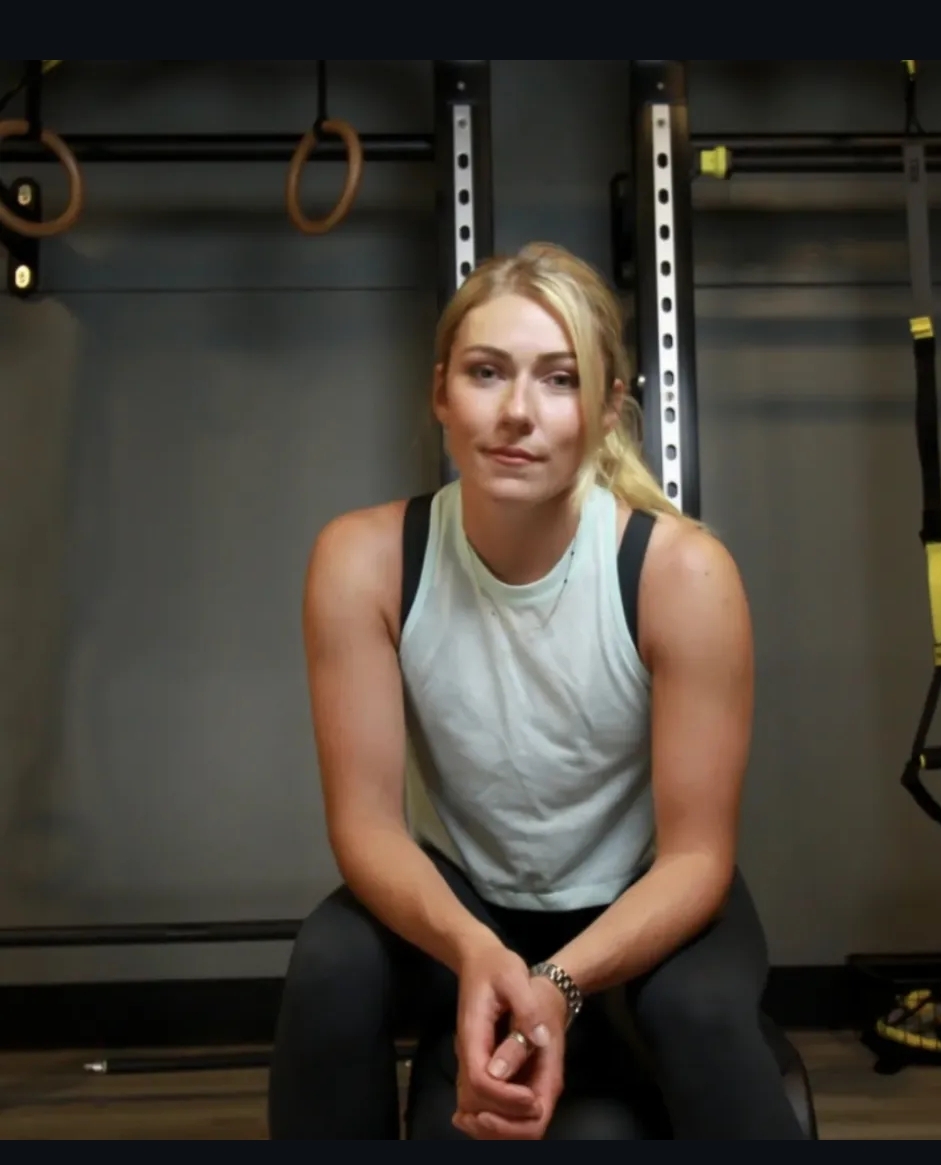
Mikaela Shiffrin has heard the question for years. After more than a decade of dominance, 110 World Cup victories, a record-tying sixth overall crystal globe, a ninth slalom title, and a third Olympic gold (her first in the event in 12 years), people still ask: Why keep going?
On Wednesday, the 31-year-old American answered it herself in a raw, 25-minute solo YouTube episode titled “Why I’m Still Skiing (And What’s Next).”
She didn’t lean on legacy, numbers, or unfinished business. She talked about curiosity, the feel of a perfect turn, and the quiet obsession with what’s around the next corner.
“There’s this perspective from people that I’ve reached everything that’s possible to achieve in this sport,” Shiffrin said. She listed the hardware at the request of her production team, then cut through it: “I’ve said this from the beginning. It’s not about records or numbers for me.”
What drives her, she explained, is something more specific than challenge. “I’m realizing that it’s more about curiosity. I just want to learn about what’s around the corner. And I want to see if the work I do right now can impact what’s around the corner.”
The low seasons, she noted, are often where the real work happens. The focus has always been the turns — the sensation she can feel, the technique that lets her connect. “That’s what I can feel. The turns and technique is how I connect… And I feel like there’s more in that. There’s more to give.”
Right now that curiosity is pointed at super-G, the “passion project” of her career. She wants more exposure to high speeds and longer boards so her brain can relearn how to process gates, terrain, and snow at those velocities.
The off-season has been typically relentless: equipment testing, two-a-day strength sessions, gyms chosen by proximity to the right equipment. She spends roughly five weeks a year at her Edwards, Colorado, home — and about the same amount of time with fiancé Aleksander Aamodt Kilde. Wedding planning? Not started. “That does not stress me out,” she said.
Shiffrin also used the platform to talk about the bigger picture: raising awareness for skiing, grief, PTSD, mental health, access to snow sports, cancer research, and climate change. The messages from people who say those conversations made them feel less alone, she said, are what make the exposure worthwhile.
Sixteen years in, the winningest alpine skier in history is still training like someone with something left to discover. The question “Why do you keep going?” now has a clear answer from the source: because the next turn might be better than the last one — and she still wants to find out.
