
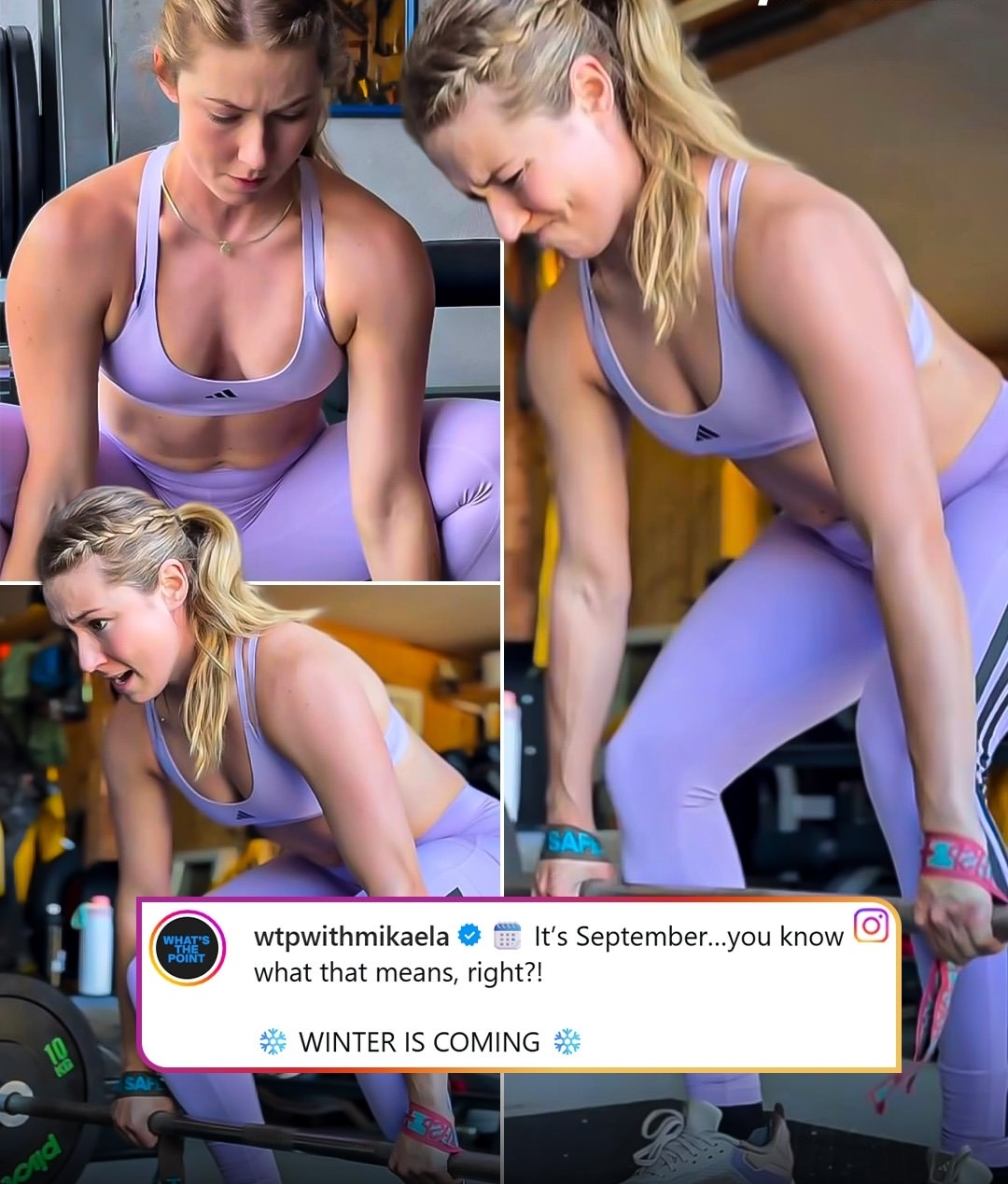
Mikaela Shiffrin didn’t need a press conference or a glossy magazine cover. She just needed September. “It’s September. You know what that means, right? Winter is coming.”
That’s the line now circulating among ski fans, and it lands like a starting-gate beep. After a season in which she won Olympic slalom gold in Cortina, tied the record with a sixth overall World Cup crystal globe, and stacked yet another slalom title, the most decorated alpine skier in history is already looking past the off-season.
The quote is classic Shiffrin: dry, slightly teasing, and impossible to ignore. For everyone else on the World Cup, it is a warning. For her, it is simply the calendar doing what it always does.
Why this September hits different
Last winter was supposed to be the “redemption” Games. Shiffrin has spent years pushing back on that story. Beijing 2022 hurt. Cortina 2026, she has said repeatedly, was about peace more than payback. She won gold anyway — and then kept racing until late March, finishing a campaign that would have been career-defining for almost anyone else.
Then came the off-season questions that never stop: How much longer? When is the wedding? Why keep going when you already have more wins than anyone?
In a July YouTube update titled “Why I’m Still Skiing (And What’s Next),” she answered the last one without theatrics. Curiosity. The turns. The feeling of figuring something out in training and watching it show up on the clock. “I simply love skiing, and I still feel like there’s more in that,” she said.
Wedding planning with fiancé Aleksander Aamodt Kilde? Not started. They get roughly five weeks a year of real time together. She is not stressed about it. “I know who I want to spend my life with,” she has said. The rest can wait.
That is the version of Shiffrin heading into September: 31 years old, three Olympic golds, six overall globes, and still more interested in the next turn than the next narrative. The calendar she actually lives by
September is when the machine starts turning again.
Southern-hemisphere on-snow camps come first. Then Europe. Then the World Cup opener that, for her rivals, always feels like it arrives too soon. Shiffrin has already shown she can mix slalom dominance with selected speed events when the body and the schedule allow. Last season she even dipped back into Super-G and liked the feeling enough to want more of it.
She does not pretend the schedule is easy. Home in Edwards, Colorado, is measured in weeks, not months. Quality time with Kilde is the same. The rest of the year belongs to airports, glaciers, and the next set of gates.
That is why “Winter is coming” lands. It is not a Game of Thrones meme for her. It is the job. What fans should actually watch
Do not expect a victory-lap season. Shiffrin has never treated records as a finish line. She treats them as data. Last year she won nine of ten slaloms at one point and still talked about technique and curiosity more than hardware.
The 2026-27 circuit will test whether that hunger survives another full winter. Early signs say yes. The September line is the first public confirmation. Rivals can take it as motivation or as a problem. History suggests the second option is more accurate. Winter is coming. Mikaela Shiffrin just said it out loud.
And she meant it.
