
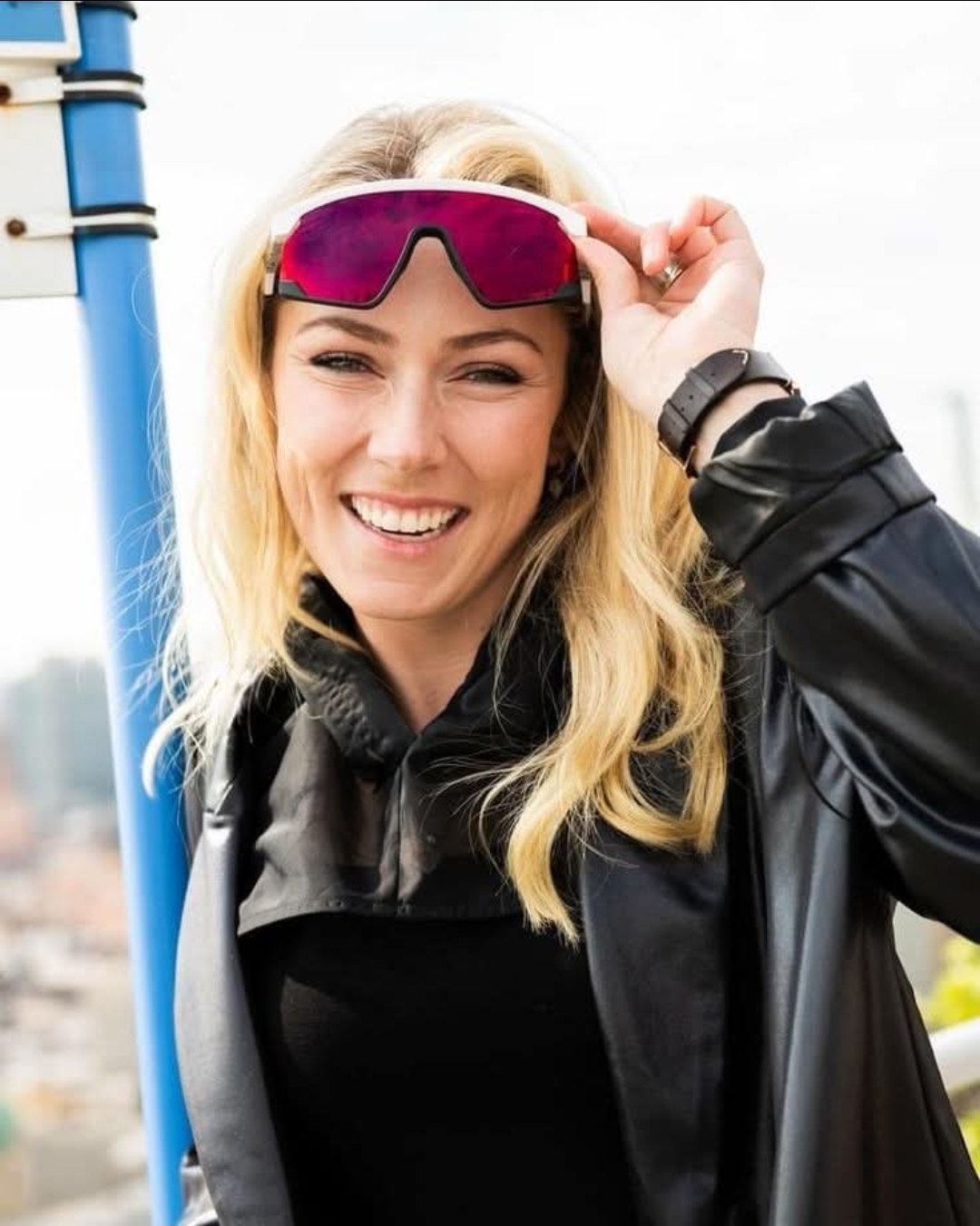
In the wake of her historic women’s slalom triumph at the Milano Cortina 2026 Winter Olympics—where she delivered a dominant performance, winning by a staggering 1.5 seconds (the largest margin in any Olympic alpine event since 1998) and claiming her third career gold—Mikaela Shiffrin dropped a revelation that caught fans off guard.
The 30-year-old GOAT, who ended an eight-year individual Olympic medal drought with poise and power on the Tofane course, had many wondering if this was the pinnacle… or just another chapter. Post-race, in candid interviews (including with Sports Illustrated), Shiffrin addressed the burning question head-on: Could she return for the 2030 Winter Games in the French Alps?
Her measured, thoughtful response surprised many who expected a firm retirement tease or definitive “no.” Instead, she opened the door wide: “I don’t know exactly what the future looks like, but I’m starting to see that it’s possible.”
She elaborated: “Four years feels like a lifetime… So it feels so far away, but also I know how fast that time can go. So I won’t say no, but I’m not going to say yes either.”
This nuanced take—rooted in her renewed sense of peace, smarter training, mental health priorities, and competing purely for joy rather than pressure—marks a shift. After years of intense scrutiny, personal grief (including her father’s passing), and the physical demands of the sport, Shiffrin is framing longevity on her own terms.
Fans are buzzing: Is the queen eyeing one more Olympic run at 34? Comments are flooded with “Never say never!” vibes, GOAT chants, and hopeful pleas for her to keep dominating. Her slalom masterclass wasn’t just about the medal—it was about acceptance, resilience, and rediscovering freedom on the snow.
With over 100 World Cup wins, multiple overall titles, and now this emotional breakthrough gold, Shiffrin has nothing left to prove… yet her words hint the legend might not be finished. The skiing world is on edge: Could 2030 bring even more history? 🔥⛷️
