
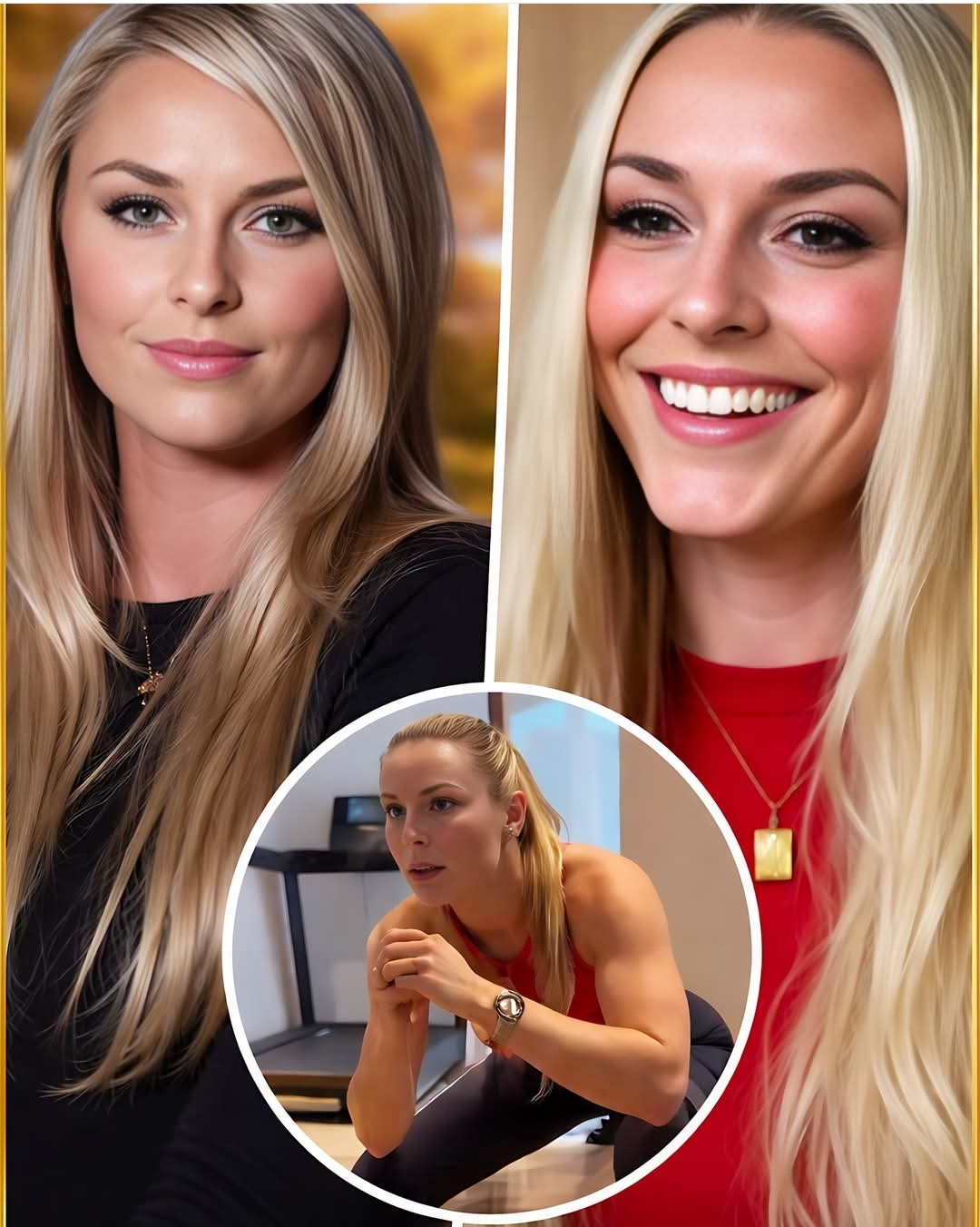
In a revealing new interview, Alpine skiing icon Lindsey Vonn has shared candid insights into her extraordinary comeback journey, the power of resilience, and her experiences dealing with public criticism following a heartbreaking end to her Olympic return at the Milano Cortina 2026 Winter Games.
At 41, Vonn made headlines with her stunning return to competitive skiing after a six-year retirement. She dominated early in the 2025-26 FIS World Cup season, claiming the lead in the downhill standings. However, her Olympic dream took a dramatic turn when she suffered a complete ACL rupture in her left knee during a training crash in Crans-Montana, Switzerland, just nine days before her scheduled downhill race. Undeterred, Vonn chose to compete anyway — a decision rooted in passion rather than recklessness — only to crash 13 seconds into her Olympic run, resulting in a complex tibia fracture that required multiple surgeries and left her initially in a wheelchair.
Speaking with Flow Space, Vonn addressed the wave of online criticism she faced for pushing forward despite the injury, with some questioning whether she was “taking a spot” from younger athletes or being irresponsible.
“Generally speaking, I’m often misunderstood,” Vonn said. “I’m always driven by what brings me joy, what I love doing. I love ski racing. … I think people don’t really understand. They don’t understand what drives me, or they can’t comprehend that I actually love what I do. … I’m never going to make anyone happy, and I definitely have learned that. The only thing I can do is focus on myself and make decisions that are right for me.”
Vonn offered a nuanced take on resilience, rejecting the idea that it means blindly pushing through pain at all costs. Instead, she described it as a thoughtful balance of grit, smart preparation, hard work, and self-awareness. She credited her family — especially her mother’s positive outlook amid her own health challenges — with shaping her perseverance. Even after the Olympic crash, Vonn pushed through intense daily rehabilitation, sometimes logging up to 12 hours, while learning to appreciate simple acts of independence like walking or preparing meals.
“When we face adversity, we learn, and we get stronger,” she reflected. “As much as it is painful and hard, we always manage to find a way through it somehow. … Try to always keep that mindset. It’s really easy to spiral downwards … but it could all be for a reason.”
The former Olympic medalist also highlighted the emotional and physical toll of depending on others during early recovery, emphasizing the importance of mobility and self-reliance. Partnering with health initiatives, she encouraged others not to take these abilities for granted.
Despite the setbacks, Vonn expressed no regrets about her Olympic attempt. She had entered the season as the top-ranked downhill skier and viewed the entire experience — including topping the World Cup standings — as validation of her passion and work ethic. Looking ahead, she remains open to the possibility of future skiing, though she acknowledges uncertainty: “I honestly don’t know where my life is going to take me in three years. Life could look a lot different. … Finding joy and purpose is something that is driving me.”
Vonn’s story continues to resonate far beyond the slopes, serving as a powerful example of mental strength, self-trust, and the courage to pursue what you love even when the world questions your choices. At a time when athletes face constant scrutiny on social media, her message of focusing inward while embracing resilience stands out as both inspiring and deeply human.
