
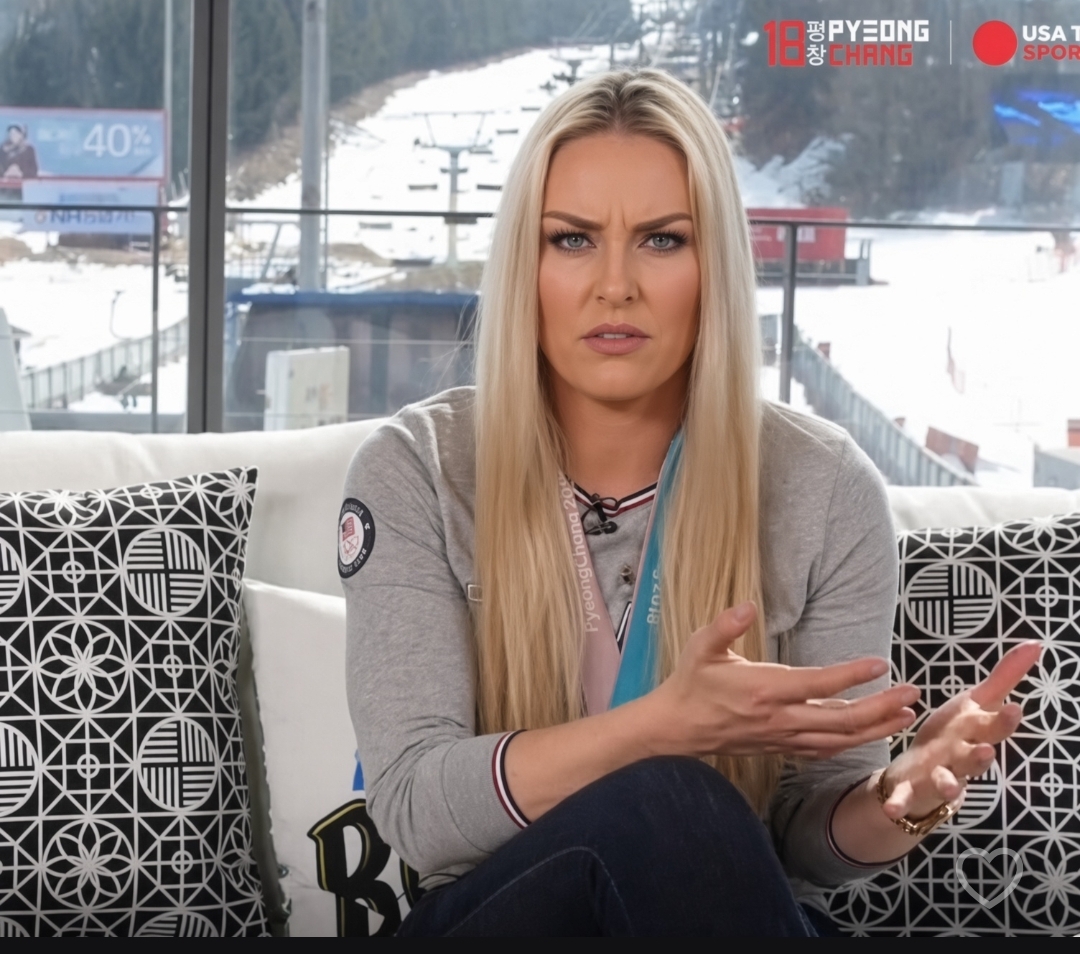
Lindsey Vonn has never been comfortable with limited praise. For years, the American skiing legend has pushed back against being labeled simply as the greatest female skier, making it clear that she wants her place in history measured without gender qualifiers.
In a previous interview, Vonn was direct about her feelings on the subject.
“I don’t like being ‘the best female,’” she said. “I really don’t. I want to be the best — of all time, period.”
The comment revealed a mindset that has defined much of her career. Vonn has long aimed to be compared with the greatest skiers in history, regardless of gender. At the height of her dominance, she openly spoke about wanting to break Ingemar Stenmark’s all-time World Cup wins record and solidify her status among the absolute elite of the sport.
Her stance reflects more than personal ambition. It challenges the way female athletes are often framed, even when their achievements stand among the most impressive in their sport’s history. Vonn’s record as one of the most successful alpine skiers ever — male or female — remains a cornerstone of her legacy, even as the conversation around greatness in skiing has evolved with new generations.
By rejecting the softer label, Vonn has consistently shown the same competitive fire that made her a champion: she doesn’t want partial recognition. She wants the full measure of what she has earned.
