
Milano Cortina 2026 delivered one of the most poignant chapters in Mikaela Shiffrin’s legendary career, and the 30-year-old alpine skiing superstar is now opening up about the memories—both triumphant and deeply personal—that will stay with her forever.
In recent reflections shared across interviews and social media, Shiffrin described the Games as an “incredible journey” filled with positive experiences, team celebrations, and raw emotion. Her dominant gold-medal performance in women’s slalom—ending an eight-year individual Olympic medal drought—stood as the centerpiece, but the victory carried layers of meaning tied to grief, growth, and gratitude.
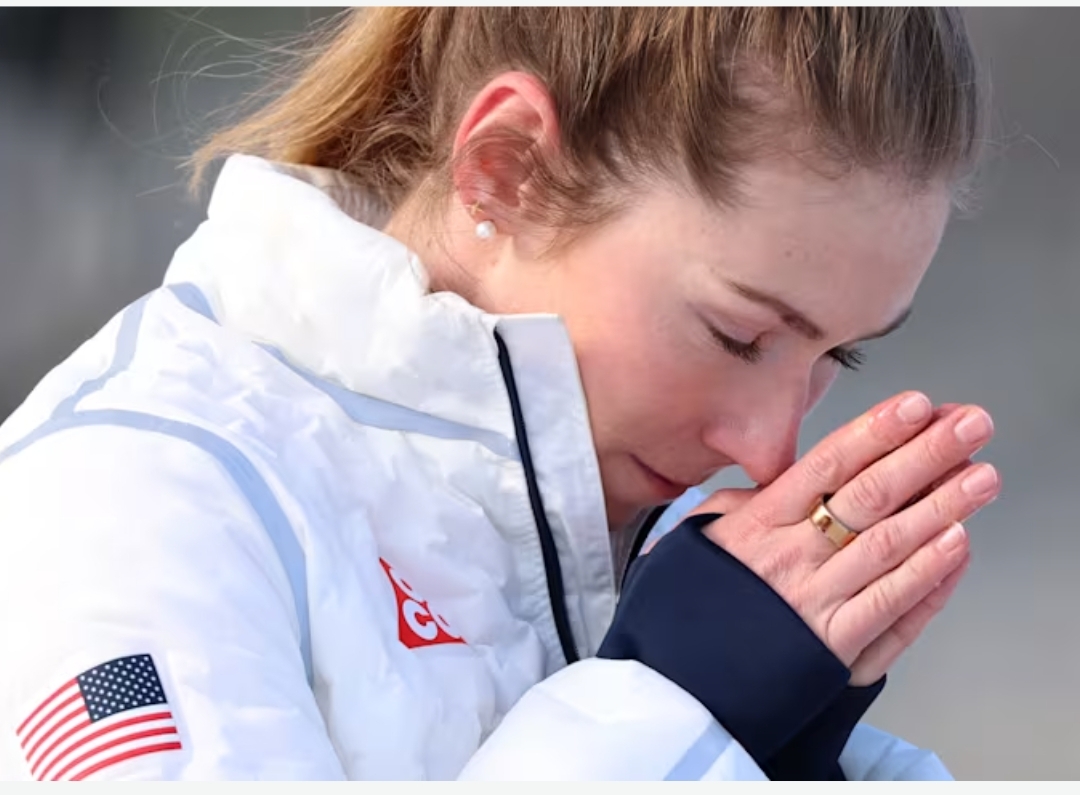
The emotional high point came seconds after crossing the finish line in her second slalom run on February 18. Seeing the green light confirming her win, Shiffrin froze for several long moments, poles dangling, before crouching down in quiet reflection. She later called it a “spiritual” instant of connection with her late father, Jeff Shiffrin, who passed away in 2020.
“This was a moment I have dreamed about. I’ve also been very scared of this moment,” she shared in post-race interviews. “Everything in life that you could do after you lose someone you love is like a new experience. It’s like being born again.” For the first time, she said she could begin to accept life without him physically present: “Maybe today was the first time that I could actually accept this reality… It was just a little bit more spiritual than I usually am.”
Shiffrin also highlighted vivid on-slope sensations beyond the race itself—skiing from the hospitality area to the start gate with turns that felt perfectly connected to her body. “I felt so connected with my skiing actually, the way I was moving in my body, so that was a really good feeling,” she told Olympics.com in an exclusive reflection.
Off the slopes, the memories were just as cherished: celebrating teammates’ medals, toasting with her support crew, late-night champagne at Austria House, and the overwhelming sense of disbelief the morning after her win. “This morning I was awake at 4:30 and my first thought was, ‘gosh, why can’t I sleep longer?’ Yeah, it’s been some moments of disbelief,” she admitted.
Shiffrin emphasized the broader joy in her life—independent of any medal—and the “peaceful” vibe she carried into these fourth Olympics. She credited her team, new mental strategies (like sticky-note mantras on her mirror), and the journey itself for the success. Her slalom triumph, with a commanding 1.50-second margin (the largest in any Olympic Alpine event since 1998), solidified her as the only American alpine skier with three Olympic golds.
Fans and fellow athletes have flooded her posts with support, echoing the sentiment that these Olympics showcased not just elite performance but profound humanity. As Shiffrin looks ahead—noncommittally to 2030, noting “four years feels like a lifetime”—she’s carrying forward memories that transcend the podium.
From conquering fear and pressure to finding acceptance amid loss, Mikaela Shiffrin’s 2026 story reminds us why the Olympics endure: they create moments we’ll remember for the rest of our lives. ❤️⛷️
