
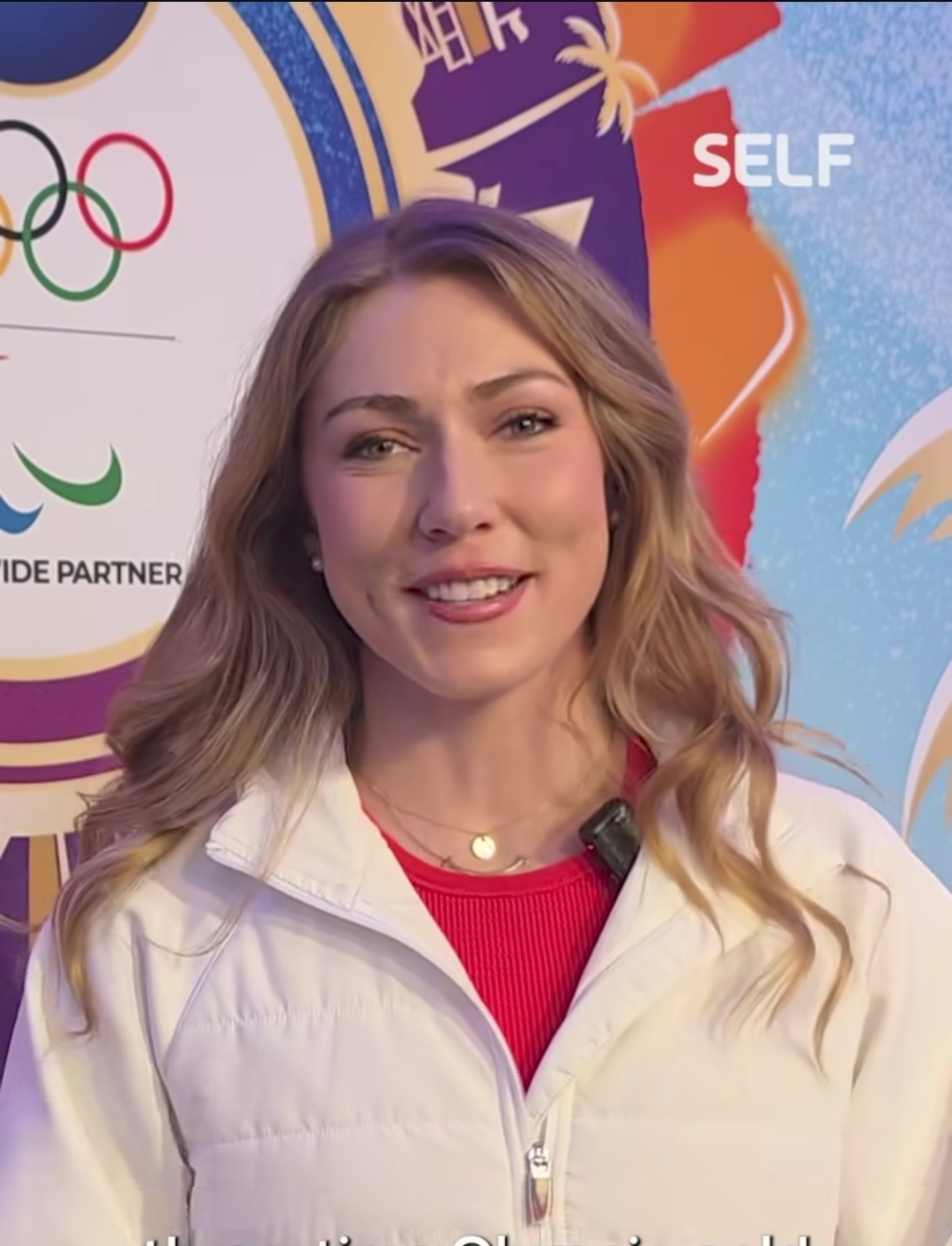
Mikaela Shiffrin stood in the finish area of the Olympia delle Tofane course in Cortina d’Ampezzo, gold medal secured, and did something unexpected. Instead of immediately celebrating, the American skiing star paused. She crouched on her skis, hugged her knees, and took a long, silent moment for herself.
Hours later, she explained why.
“It’s like… being born again,” Shiffrin said, her voice thick with emotion after winning the women’s slalom at the 2026 Winter Olympics by a dominant 1.50 seconds. The victory delivered her third Olympic gold medal and ended an eight-year drought on the Olympic podium.
The moment was deeply personal. Shiffrin’s father, Jeff, died in a tragic accident at the family home in Colorado in February 2020. He had been present for her previous Olympic medals in Sochi and PyeongChang. Winning without him, she admitted, had long terrified her.
“This was a moment I have dreamed about. I’ve also been very scared of this moment,” she said. “Everything in life that you do after you lose someone you love is like a new experience. And I still have so many moments where I resist this. I don’t want to be in life without my dad. And maybe today was the first time that I could actually accept this reality.”
Before her second run, Shiffrin had tried to nap in the Team USA tent, a long-standing race-day ritual. Instead of resting, she began to cry as her thoughts turned to her father. She described the experience as more spiritual than usual, a quiet conversation in her heart and mind with the people who could not be there physically.
When she finally crossed the finish line and saw the green light confirming her victory, the silence that followed was deliberate. Only after absorbing the moment did she rise to celebrate with the crowd, embrace her mother and coach Eileen, and later join teammates in dancing and raising the American flag.
Shiffrin’s performance was clinical and commanding. She led after the first run and extended her advantage on the second, delivering one of the most decisive Olympic slalom victories in recent memory. Yet the emotional weight of the day clearly outweighed the margin of victory.
In the days that followed, Shiffrin spoke of feeling peaceful rather than purely triumphant. The gold medal, she noted, was meaningful, but it did not change the deeper sources of happiness in her life — her fiancé Aleksander Aamodt Kilde, her mother, and the support system that had carried her through years of grief, injury, and scrutiny.
For an athlete often defined by records and dominance, the most lasting image from Cortina may not be the podium or the time differential. It may be the quiet crouch in the snow, a champion finally allowing herself to accept a new reality, one race at a time.
